Entry023
Musée Cantini and the Surrealists
A day with the Musée Cantini’s modern art collection, and the wartime story of the Surrealists who waited in Marseille for a way out.
- Place
- Musée Cantini
- Arrondissement
- 6th
- From the Quai des Belges
- 10 minutes on foot
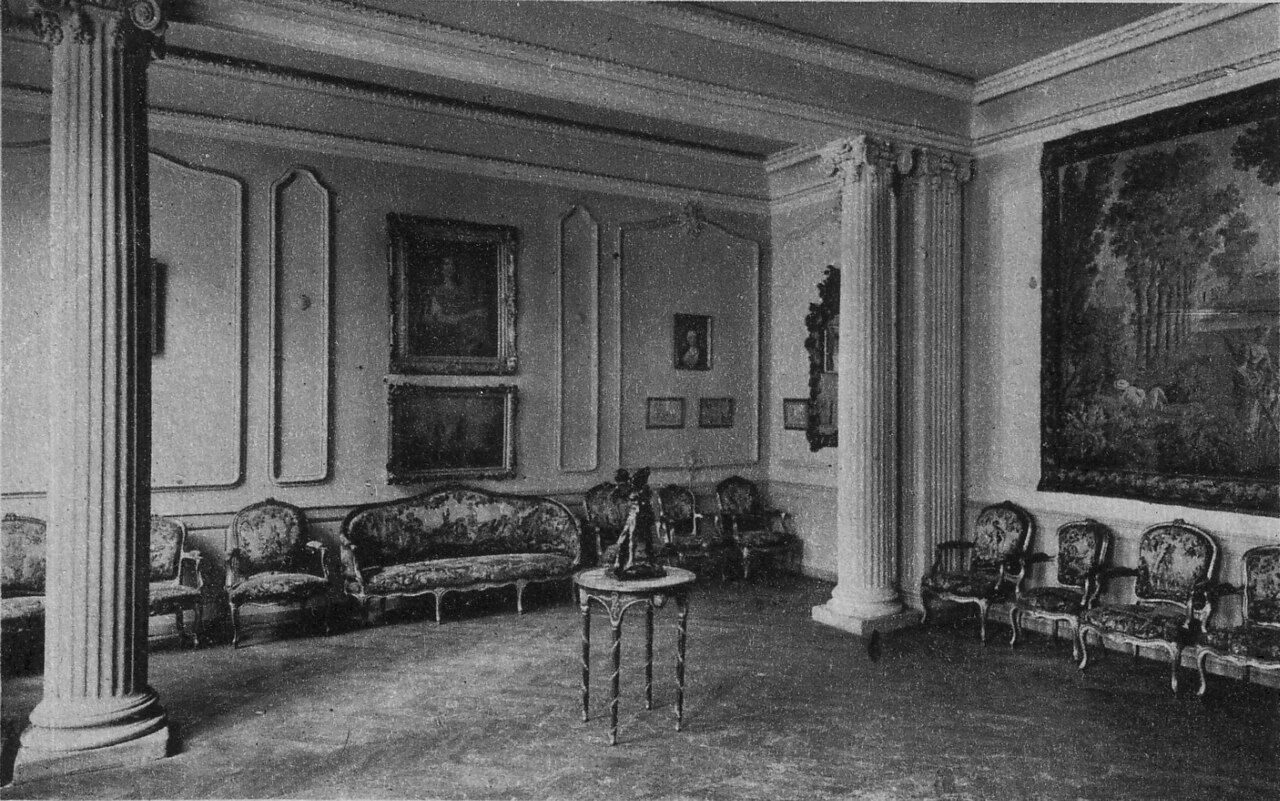 Photograph: reynaudsylvain — CC-BY-4.0
1. “Surrealism”. The word sets the direction for the day. The Musée Cantini holds art spanning Fauvism and Cubism through to Surrealism. It is a broad span to keep in mind before thinking about the artists who waited in Marseille during the war.
2. The building on Rue Grignan
The Musée Cantini occupies the Hôtel de Montgrand, a townhouse built in 1694 on the Rue Grignan. The museum opened in 1936. I begin with that change of purpose: a townhouse made into a place for the city’s modern art. The building’s earlier date and the collection’s range sit together without needing much explanation. One is the address; the other is the reason to stay with it.
3. A gift to the city
Jules Cantini, a sculptor, left the Hôtel de Montgrand to the city of Marseille in 1916. The museum carries his name, but his gift also gives the visit a civic thread. The collection records artistic movements. It is here because a sculptor gave the townhouse to the city, and because the museum opened within it.
There is another Cantini gift elsewhere in Marseille: the marble fountain on the Place Castellane, finished in 1911. I hold the two gestures together as I move through the day. One is a fountain in a public square; the other is a house given over to art. Both connect Cantini’s name to the city.
4. The collection’s range
By the middle of the day, I return to the names in the collection: Paul Signac, Raoul Dufy, Fernand Léger, Wassily Kandinsky and Max Ernst. They hang in the Musée Cantini. The list crosses the broad movement from Fauvism and Cubism to Surrealism, without making the collection feel like a single chapter with a neat ending. I find it useful to keep that range visible rather than treat the Surrealists as a separate story.
On another part of the city’s museum map, the fine arts wing at Longchamp offers a point of comparison. The thought is enough for this day; I stay with the Cantini’s particular mix of modern art and Marseille history.
5. The waiting in Marseille
In 1940 and 1941, André Breton and other Surrealists waited in Marseille for a passage out of occupied France. That fact changes the weight of the collection’s Surrealist works. The artists were not only part of an international movement, or names attached to paintings. Some passed through this city during the war, while waiting for a way out.
The Musée Cantini holds a strong group of works by Surrealist artists who passed through Marseille during the war. I keep the two ideas side by side: works held here, and people who waited here. The connection is specific, but it does not need embellishment. The collection gives the city’s wartime passage a presence that can be met inside a museum.
6. The city around the museum
Later in the day, I place the museum back on the map. It lies a few streets south of the Canebière, between the Vieux-Port and the Prefecture. From the Vieux-Port, the walk is 10 minutes on foot. Those details keep the visit in the middle of the city rather than setting it apart from the routes around it.
7. What stays with me
As the day closes, I return to the movement from art history to lived circumstance. Fauvism, Cubism and Surrealism mark the collection’s range; Marseille in 1940 and 1941 gives the Surrealist works a local connection. The townhouse, the gift and the artists’ passage through the city make a compact story, held in one place.
I prefer the Surrealist thread, because it joins the collection to Marseille without making either one a footnote.
| Location | 6th |
|---|---|
| From the Vieux-Port | 10 minutes on foot |
| Address | Rue Grignan |