Entry021
The boats beneath Marseille’s history
At the Musée d'Histoire de Marseille, boats found in nearby digs give the old harbour a close, human scale. The galleries set them within the city’s long story.
- Place
- Musée d'Histoire de Marseille
- Arrondissement
- 1st
- From the Quai des Belges
- 5 minutes on foot
 Photograph: Houss 2020 — CC-BY-SA-4.0
1. What can a boat tell about a harbour?
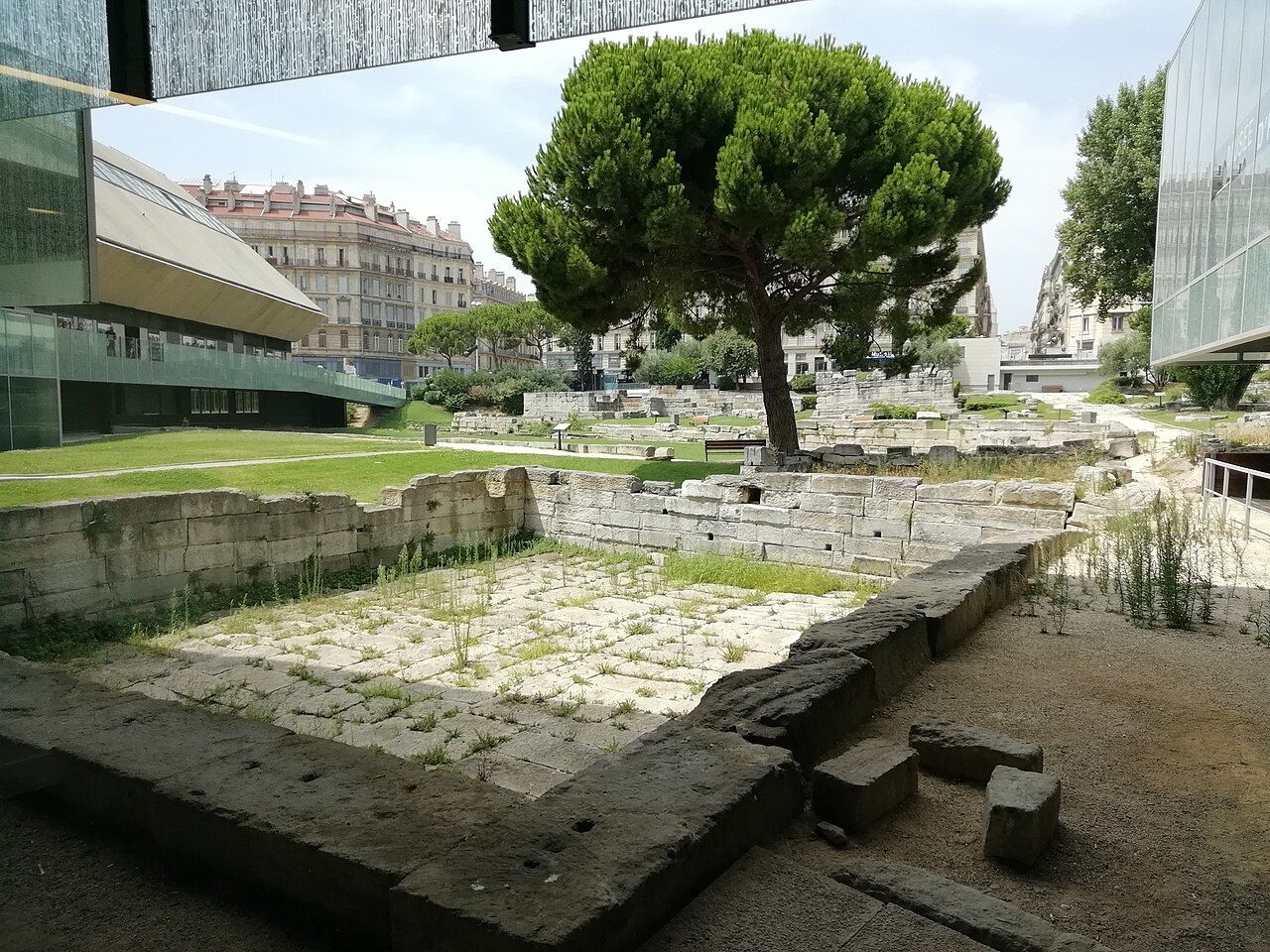
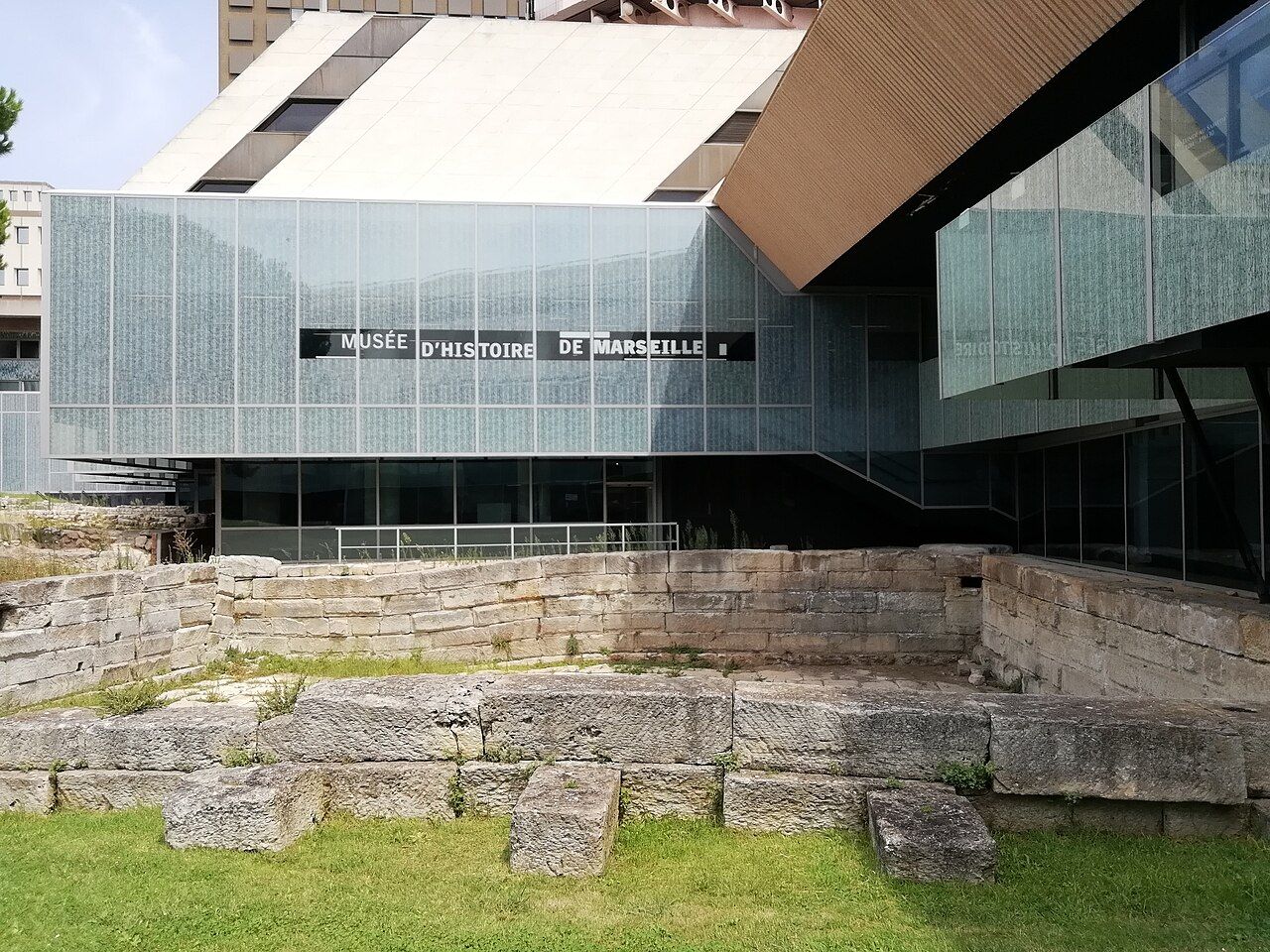
The Musée d'Histoire de Marseille stands next to the Jardin des Vestiges, behind the Bourse. The location sets up a useful way into the collection: nearby ground holds traces of the old city, while the museum gathers objects and stories into a sequence. It first opened in 1983, then reopened in 2013 after a full renewal and enlargement. The galleries follow Marseille from prehistory to the present day, in time order. That broad sweep is the frame; the boats are where the story becomes particular.
2. The harbour in the galleries
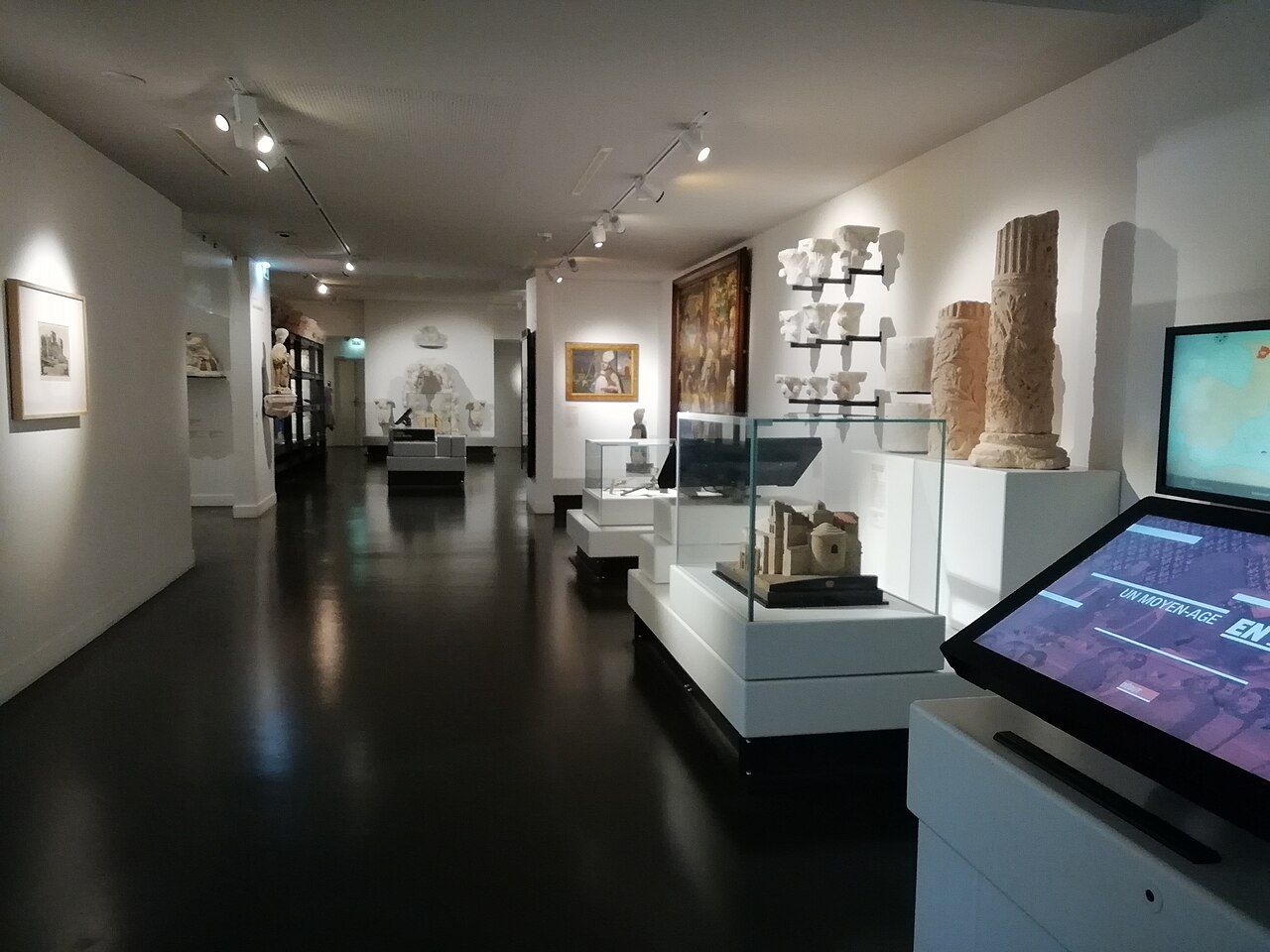
Models and plans show how the shoreline of the old harbour moved over the centuries. They make a changing edge visible: not a fixed line, but part of the city’s history. The displays give context to the inlet where those boats once moored. Here the map does more than illustrate the objects. It helps place the boats in relation to the harbour and to the ground where they were found. I like having that larger shape before looking closely at the remains themselves.
Large windows look out over the ruins of the Jardin des Vestiges. The view keeps the account inside tied to the remains beside the museum, rather than leaving the old harbour as a line on a plan. I like that connection between what is displayed and what is still visible.
3. Found close by
The museum shows a Roman merchant ship found during digs at the Bourse in 1974. That discovery makes the distance between the museum and the ancient harbour feel compact. The ship is not an object brought in from an unrelated place; it belongs to the history under the nearby streets. The boats found at Place Jules-Verne have a different story. Greek boats of the 6th century BC are displayed here too. The collection brings these finds into one place, while keeping their separate origins in view.
 Photograph: Houss 2020 — CC-BY-SA-4.0
The boats give the old harbour a human scale beside the map and make it feel like a place built by hand.
The boats give the old harbour a human scale beside the map and make it feel like a place built by hand.
4. A construction detail
Some of the ancient boats were sewn together with cords rather than nailed. It is a small detail, but it changes the way I look at them. A boat is a shape that travelled across water, and also a construction, made piece by piece. The cord joins offer a direct point of attention, without needing a long explanation. They bring the work of making into view. The museum’s larger timeline gives this detail a place, but it is easy to pause over it on its own.
5. Looking between objects and plans
The galleries’ time order gives the visit a steady route through the city’s history, from prehistory to the present day. The boats sit within that sequence, rather than carrying the whole account by themselves. I find that balance helpful: the plans show the harbour changing, while the recovered vessels make that change tangible. There is room to move between a wide view and a close one. A shoreline on a plan is an abstraction; a boat found during a dig at the Bourse is a material trace of the same past.
 Photograph: Houss 2020 — CC-BY-SA-4.0
6. A city collection
The Musée d'Histoire de Marseille is one of the largest city history museums in France. It belongs to the network of the city's museums, along with the Musée Cantini and the galleries of the Vieille Charité. That wider connection places it among other parts of the city’s museum landscape, though its subject here is Marseille’s own long history. The Jardin des Vestiges beside it adds another layer to the setting. The museum and the remains sit close together, so the account inside has a clear relationship to the place outside.
7. Leave room for the small things
The boats reward attention to details: where they were found, what the plans say about the harbour’s changing edge, and how some were joined with cords. These are modest points, but they give the broader chronology something to hold on to. My pocket is still weighted with sweets; I keep it for long stretches of looking, not as a plan for the visit. The museum’s subject is wide, but the nearby finds keep drawing the view back to the old harbour and its working vessels.
I prefer the boats for the way they make the harbour’s history feel close.
| Location | Next to the Jardin des Vestiges, behind the Bourse |
|---|